

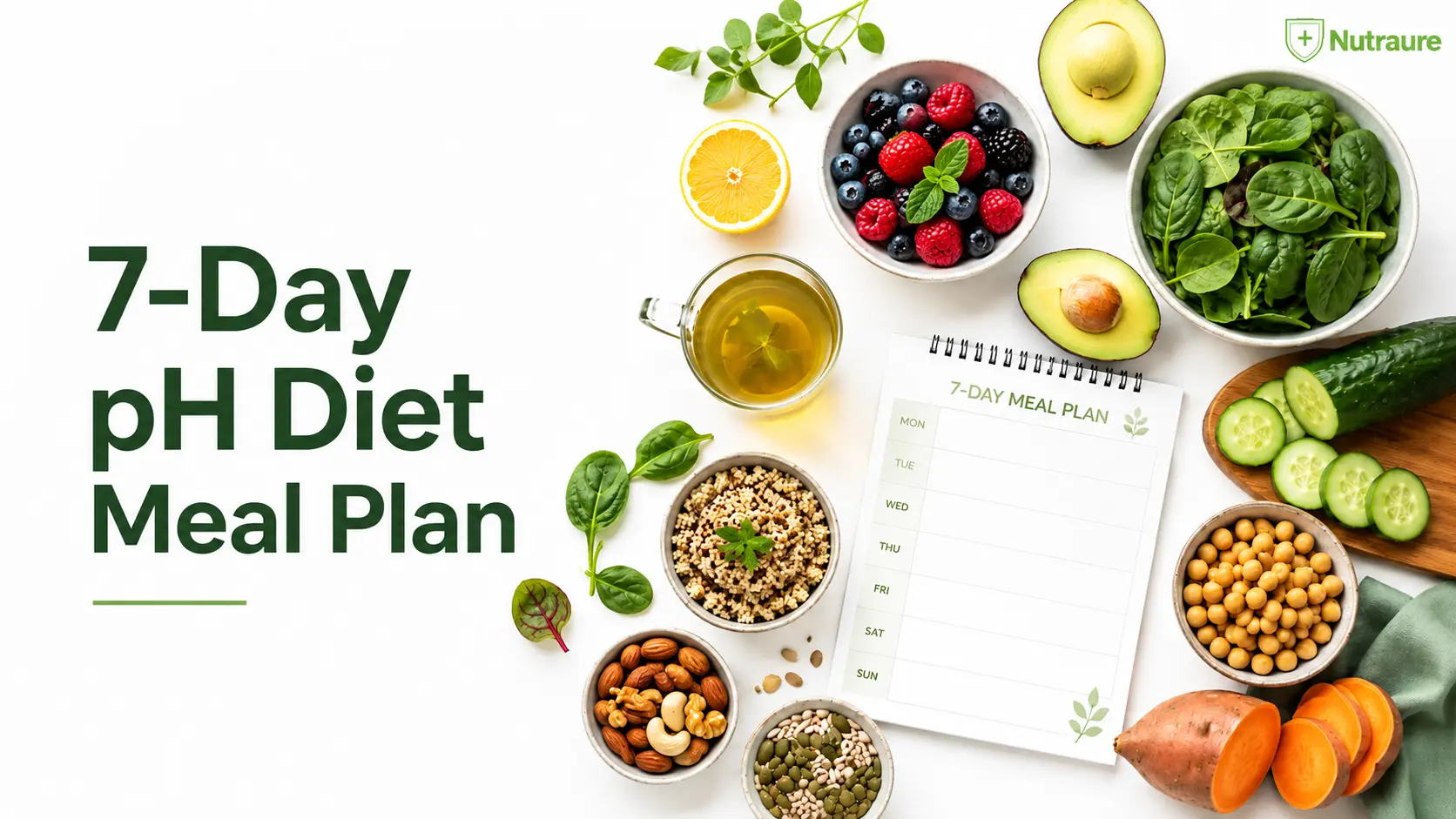
A pH diet meal plan typically emphasizes vegetables, fruits, legumes, nuts, seeds, and minimally processed foods while limiting sugary drinks, refined carbohydrates, processed meats, and fast food.
That basic approach can make everyday meals more colorful and nutritious. However, it is important to understand what the diet can—and cannot—do.
Despite popular claims, eating “alkaline” foods does not meaningfully change the pH of your blood. Your lungs and kidneys closely regulate blood pH regardless of whether you eat a cucumber, a steak, or a slice of bread. Urine pH may change in response to diet, but that does not mean your blood or entire body has become more alkaline.
The practical value of an alkaline-style diet comes from something much simpler: it encourages more whole, plant-forward foods and fewer ultra-processed choices.
This seven-day pH diet meal plan takes a flexible, evidence-aware approach. You will find:
- Seven breakfasts, seven lunches, and seven dinners
- Simple snack options
- A practical pH diet food list
- A complete one-week grocery list
- Meal-prep and budget tips
- Common mistakes to avoid
- Balanced answers to frequently asked questions
The meals are suitable for generally healthy adults, but individual calorie, protein, allergy, and medical needs vary. Adjust the portions and ingredients to fit your needs.
What Is a pH Diet Meal Plan?
A pH diet meal plan is commonly described as an eating pattern built around “alkaline-forming” foods while reducing foods labeled “acid-forming.”
Most versions prioritize
- Leafy greens and other vegetables
- Fresh or frozen fruit
- Beans, chickpeas, and lentils
- Nuts and seeds
- Avocado and unsaturated fats
- Whole or minimally processed foods
- Water and unsweetened drinks
More restrictive versions may remove meat, eggs, dairy products, grains, coffee, and many other foods. That level of restriction is usually unnecessary and may make it harder to consume enough protein, iron, calcium, energy, or other essential nutrients.
This meal plan does not treat nutritious foods as harmful simply because a particular alkaline-food chart labels them “acidic.” Instead, it uses the diet’s positive features—more vegetables, home-cooked meals, plant proteins, and fewer sugary or heavily processed foods—without making unsupported promises.
The basic idea behind the alkaline diet
The theory behind the alkaline diet is that food leaves either an acidic or alkaline residue after digestion. Supporters believe that choosing more alkaline-forming foods will improve the body’s internal pH and lead to better health.
The problem is that different parts of the body naturally require different pH levels. The stomach must remain highly acidic to digest food, while blood stays within a tightly controlled, slightly alkaline range. Food does not override these normal regulatory systems.
That does not make every part of the eating plan useless. According to the Cleveland Clinic’s alkaline diet overview, many foods promoted by the diet—such as vegetables, fruits, quinoa, legumes, nuts, and seeds—are nutritious choices. The benefits come from improving food quality, not from “alkalizing” the blood.
How this plan differs from a strict alkaline diet
A strict alkaline diet may exclude foods such as oats, whole-grain bread, tofu, eggs, fish, and yogurt. This flexible plan allows some of those foods because they can contribute protein, fiber, calcium, or other useful nutrients.
Rather than trying to make every ingredient fit a rigid acid-versus-alkaline chart, use this practical rule:
Build most meals around vegetables, fruit, whole grains, healthy fats, and a reliable source of protein.
The Harvard Healthy Eating Plate offers a useful structure: fill roughly half the meal with vegetables and fruit, then divide the remaining space between whole grains and healthy protein. Exact portions should still reflect your appetite, activity level, health, and nutritional needs.
What the science says about changing body pH
The body does not have one universal pH number. Blood, stomach acid, skin, urine, and other body systems have different normal ranges.
Your lungs help manage carbon dioxide, while your kidneys remove acids and maintain the balance of minerals and fluids. These systems keep blood pH stable. A major shift in blood pH is a medical problem—not a normal result of eating bread, meat, lemons, or leafy vegetables.
Urine may become more or less acidic depending on food, hydration, medication, and other factors. However, urine test strips cannot prove that your blood has become “alkaline” or that a diet is preventing disease.
The MD Anderson alkaline diet guide explains that any benefit from eating more fruits, vegetables, and minimally processed foods is not caused by changing the body’s pH.

pH Diet Food List: What to Eat and What to Limit
You do not need specialty powders, pH drops, test strips, or expensive alkaline water to follow this plan. Ordinary supermarket foods are enough.
Foods to emphasize
Vegetables
Choose a variety of colors and textures:
- Spinach, kale, lettuce, and arugula
- Broccoli and cauliflower
- Cucumber and celery
- Bell peppers
- Carrots
- Tomatoes
- Courgette or zucchini
- Mushrooms
- Cabbage
- Beetroot
- Sweet potatoes
- Fresh or frozen mixed vegetables
Fruits
Use whole fruit more often than juice:
- Apples and pears
- Berries
- Bananas
- Melons
- Oranges and other citrus fruit
- Mango
- Kiwi
- Grapes
- Peaches
- Plums
Citrus fruits taste acidic, but taste alone does not determine how foods are classified in alkaline-diet systems. More importantly, you do not need to calculate the pH effect of every piece of fruit. Variety and overall dietary quality matter more.
Plant-based protein
Include a meaningful protein source at meals instead of assuming vegetables alone will provide enough:
- Chickpeas
- Lentils
- Black beans
- Kidney beans
- Tofu
- Tempeh
- Edamame
- Nuts
- Seeds
- Unsweetened soy milk
Protein supports the growth and repair of cells and body tissues. Both plant and animal foods can provide it, and individual requirements vary by age, activity level, health, and other factors.
Whole grains and satisfying carbohydrates
This flexible meal plan includes:
- Oats
- Quinoa
- Brown rice
- Barley
- Whole-grain bread
- Whole-wheat wraps
- Sweet potatoes
Although strict alkaline charts sometimes discourage grains, removing all grains is not necessary for a balanced plant-forward eating pattern.
Healthy fats
Use moderate amounts of:
- Avocado
- Almonds, walnuts, and cashews
- Pumpkin, sunflower, chia, and flax seeds
- Tahini
- Extra-virgin olive oil
- Natural nut butter
Foods to limit rather than fear
A sustainable plan does not require perfection. Reduce how often you rely on:
- Sugar-sweetened soda
- Energy drinks
- Sugary breakfast cereals
- Sweets and packaged desserts
- Deep-fried fast food
- Processed meats
- Salty packaged snacks
- Refined white bread
- Heavy alcohol intake
- Products marketed with unsupported detox or pH claims
“Limit” does not always mean “never.” A food can fit occasionally without ruining the rest of your diet.
Flexible foods
Depending on your preferences, the following foods can fit into a balanced version of the plan:
- Eggs
- Plain yogurt
- Milk or fortified plant milk
- Fish
- Skinless poultry
- Coffee
- Whole-grain bread
- Oats
A person who eats eggs or yogurt is not automatically following an unhealthy diet. Look at the whole pattern rather than placing moral labels on individual foods.
Easy healthy swaps
Try practical substitutions rather than changing your entire diet overnight:
- Crisps or chips → cucumber, carrots, and hummus
- Sugary soda → chilled water with lemon or mint
- Sugary cereal → oats with berries and seeds
- Fast-food burger and fries → homemade bean or quinoa bowl
- Sweet pastry → fruit with nuts
- White-bread sandwich → whole-grain wrap or salad bowl
- Creamy bottled dressing → lemon, tahini, and water
- Processed meat → lentils, beans, tofu, fish, or another preferred protein
How to Start a pH Diet Meal Plan
Set a realistic seven-day goal
Do not try to rebuild every eating habit at once. For your first week, focus on three changes:
- Add vegetables to lunch and dinner.
- Include a reliable protein source at each main meal.
- Replace one heavily processed snack or drink each day.
These changes are easier to maintain than a long list of rigid food rules.
Build a balanced plate.
A simple starting point is:
- About half vegetables and fruit
- About one-quarter whole grains or another satisfying carbohydrate
- About one-quarter protein
- A small amount of healthy fat
- Water or an unsweetened drink
These are visual proportions, not fixed prescriptions. Someone with a high activity level may require larger portions, while another person may need adjustments for blood sugar, digestion, allergies, or a medical condition.
Keep preparation simple
You do not need a new recipe for every meal. Select ingredients that can appear in several dishes.
For example, one batch of quinoa can become:
- A chickpea salad
- A vegetable Buddha bowl
- A side for soup
- A filling for stuffed peppers
One tray of roasted vegetables can be used in lunch bowls, wraps, salads, and dinners.

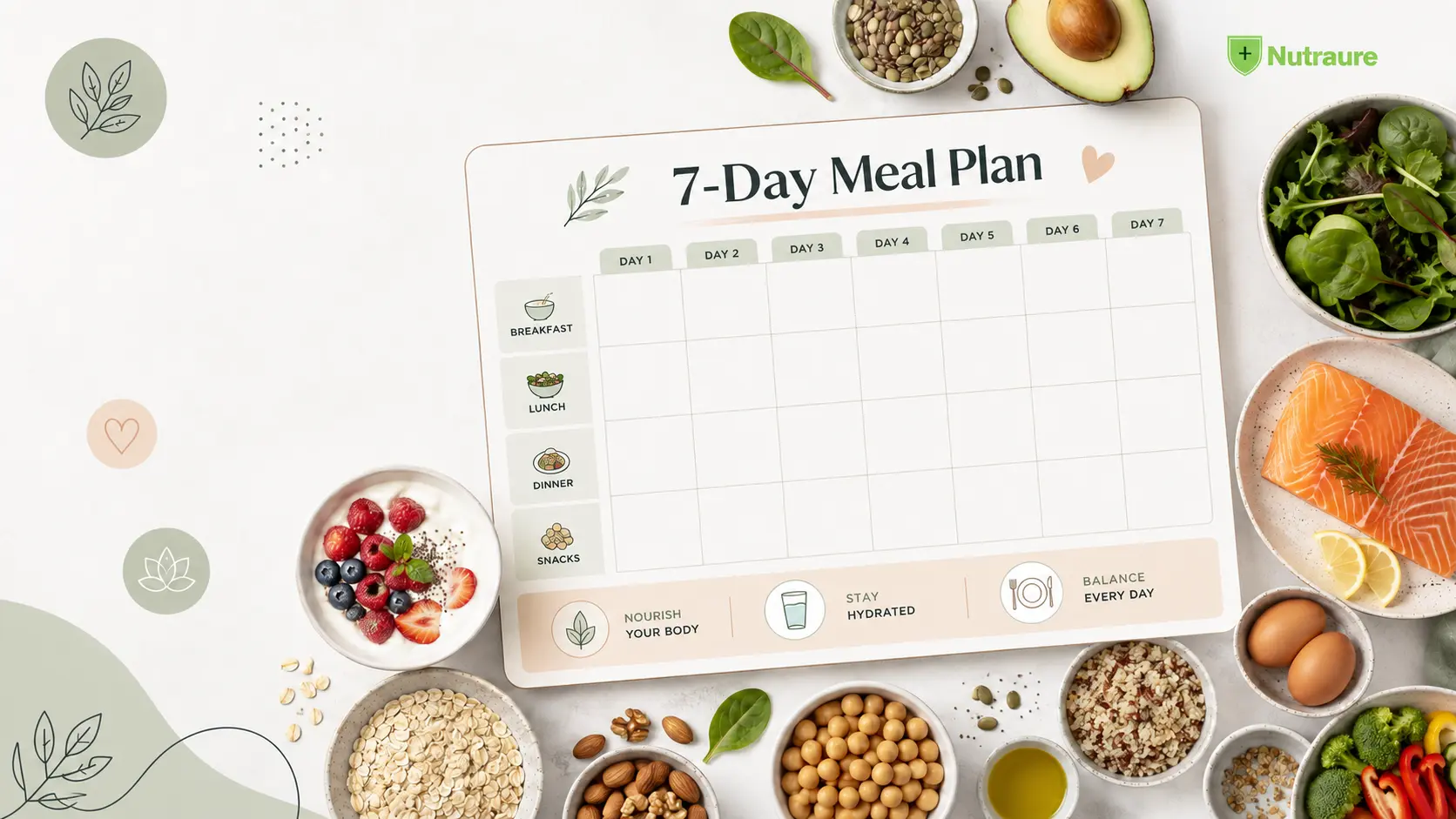
7-Day pH Diet Meal Plan
The following menu provides 21 easy recipes: seven breakfasts, seven lunches, and seven dinners. Quantities are intentionally flexible so you can adjust portions for one person, a couple, or a family.
Day 1 Meal Plan
Breakfast: Green berry smoothie bowl
Ingredients: Spinach, frozen berries, banana, unsweetened soy or almond milk, chia seeds, and a spoonful of oats.
Method: Blend the spinach, berries, banana, milk, and oats until thick. Pour into a bowl and finish with chia seeds and a few fresh berries. Add more liquid for a drinkable smoothie.
Lunch: Lemon chickpea quinoa salad
Ingredients: Cooked quinoa, chickpeas, cucumber, tomato, parsley, lemon juice, olive oil, and black pepper.
Method: Combine the quinoa and vegetables in a bowl. Add rinsed chickpeas, then dress with lemon juice, a little olive oil, and pepper. Refrigerate leftovers for the following day.
Dinner: Loaded baked sweet potato
Ingredients: One sweet potato, steamed broccoli, avocado, chickpeas, lemon juice, and paprika.
Method: Bake or microwave the sweet potato until tender. Split it open and fill it with broccoli and chickpeas. Add avocado, lemon juice, and paprika before serving.
Snack options: ***** slices, a small handful of almonds, or unsweetened herbal tea.
Day 2 Meal Plan
Breakfast: Berry and pumpkin-seed overnight oats
Ingredients: Rolled oats, unsweetened milk, chia seeds, berries, pumpkin seeds, and cinnamon.
Method: Mix the oats, milk, chia seeds, and cinnamon in a container. Refrigerate overnight. Add berries and pumpkin seeds before eating.
Lunch: Lentil garden salad
Ingredients: Cooked lentils, mixed greens, grated carrot, cucumber, bell pepper, olive oil, lemon juice, and herbs.
Method: Place the greens in a bowl and top with lentils and chopped vegetables. Whisk the oil, lemon juice, and herbs, then pour the dressing over the salad.
Dinner: Tofu and vegetable stir-fry
Ingredients: Firm tofu, broccoli, bell pepper, mushrooms, carrot, brown rice, garlic, ginger, and reduced-sodium soy sauce.
Method: Cook the brown rice separately. Brown the tofu in a large pan, add the vegetables, garlic, and ginger, and stir-fry until just tender. Add a modest splash of soy sauce and serve over rice.
Snack options: **** slices or celery and hummus.
Day 3 Meal Plan
Breakfast: Kiwi chia fruit bowl
Ingredients: Chia seeds, unsweetened milk, kiwi, melon, berries, and chopped walnuts.
Method: Mix chia seeds with milk and refrigerate until thickened, ideally overnight. Top with chopped kiwi, melon, berries, and walnuts.
Lunch: Crunchy hummus vegetable wrap
Ingredients: Whole-wheat wrap, hummus, spinach, cucumber, grated carrot, bell pepper, and sprouts.
Method: Spread hummus over the wrap. Add the vegetables and sprouts, fold the sides inward, and roll tightly. Serve with fruit or a small side salad.
Dinner: Zucchini noodles with tomato-basil sauce
Ingredients: Spiralized zucchini, tomatoes, garlic, mushrooms, white beans, basil, and olive oil.
Method: Cook the garlic and mushrooms briefly in olive oil. Add tomatoes and white beans and simmer until warm. Stir in the zucchini noodles for the final two or three minutes, then add basil.
Snack options: Walnuts, berries, or water flavored with cucumber and mint.
Day 4 Meal Plan
Breakfast: Avocado tomato toast
Ingredients: Whole-grain bread, avocado, tomato, lemon juice, pumpkin seeds, and black pepper.
Method: Toast the bread. Mash the avocado with lemon juice and spread it over the toast. Add tomato, pumpkin seeds, and pepper.
Lunch: Roasted vegetable Buddha bowl
Ingredients: Quinoa, kale or spinach, roasted broccoli, carrot, courgette, chickpeas, and tahini.
Method: Arrange cooked quinoa, greens, roasted vegetables, and chickpeas in a bowl. Thin tahini with lemon juice and water, then drizzle it over the top.
Dinner: Comforting lentil vegetable soup
Ingredients: Lentils, onion, carrot, celery, tomato, spinach, garlic, vegetable stock, and herbs.
Method: Cook the onion, carrot, celery, and garlic until slightly softened. Add lentils, tomato, stock, and herbs. Simmer until the lentils are tender, then stir in spinach.
Snack options: ****** segments or a small serving of mixed seeds.
Day 5 Meal Plan
Breakfast: Mango spinach smoothie
Ingredients: Spinach, mango, banana, unsweetened soy milk, ground flaxseed, and ice.
Method: Blend all the ingredients until smooth. Use soy milk when you want more protein than most almond-based drinks provide.
Lunch: Creamy avocado chickpea bowl
Ingredients: Chickpeas, avocado, cucumber, tomato, mixed greens, lemon juice, parsley, and black pepper.
Method: Lightly mash half the avocado with lemon juice. Toss it with the chickpeas, cucumber, tomato, and parsley. Serve over mixed greens with the remaining avocado.
Dinner: Cauliflower rice and black bean bowl
Ingredients: Cauliflower rice, black beans, bell pepper, sweetcorn, tomato, avocado, coriander, and lime.
Method: Sauté the cauliflower rice and bell pepper until tender. Add black beans and sweetcorn and cook until warm. Top with tomato, avocado, coriander, and lime juice.
Snack options: Berries or unsweetened herbal tea.
Day 6 Meal Plan
Breakfast: *****-cinnamon chia pudding
Ingredients: Chia seeds, unsweetened milk, chopped *****, cinnamon, oats, and almond butter.
Method: Combine the chia seeds, milk, cinnamon, and a spoonful of oats. Refrigerate until thick. Add ***** and a small spoonful of almond butter.
Lunch: Sweet potato and black bean bowl
Ingredients: Roasted sweet potato, black beans, spinach, cucumber, tomato, pumpkin seeds, and lime.
Method: Place spinach in a bowl and add the warm sweet potato and beans. Top with cucumber, tomato, pumpkin seeds, and lime juice.
Dinner: Quinoa vegetable soup
Ingredients: Cooked quinoa, vegetable stock, carrot, celery, courgette, tomatoes, cannellini beans, and herbs.
Method: Simmer the vegetables, tomatoes, beans, stock, and herbs until tender. Add cooked quinoa near the end so it does not become overly soft.
Snack options: Almonds, sliced cucumber, or fruit.
Day 7 Meal Plan
Breakfast: **** and walnut oatmeal
Ingredients: Rolled oats, unsweetened milk or water, sliced ****, cinnamon, walnuts, and chia seeds.
Method: Cook the oats with milk or water. Add **** and cinnamon during the final few minutes. Top with walnuts and chia seeds.
Lunch: Beetroot, spinach, and chickpea salad
Ingredients: Spinach, cooked beetroot, chickpeas, cucumber, pumpkin seeds, ****** segments, and lemon-tahini dressing.
Method: Combine the spinach, beetroot, chickpeas, and cucumber. Add ****** segments and pumpkin seeds. Finish with a dressing made from tahini, lemon juice, and water.
Dinner: Quinoa-stuffed bell peppers
Ingredients: Bell peppers, cooked quinoa, black beans or lentils, diced tomato, courgette, herbs, and avocado.
Method: Cut the peppers in half and remove the seeds. Mix the quinoa with beans, tomato, courgette, and herbs. Fill the peppers and bake until tender. Add avocado after cooking.
Snack options: Fresh fruit salad or vegetable sticks with hummus.
pH Diet Meal Plan Grocery List for Seven Days
Adjust quantities based on household size, appetite, and which ingredients you already have.
Vegetables
- Spinach or mixed greens
- Kale
- Broccoli
- Cauliflower or cauliflower rice
- Cucumbers
- Carrots
- Celery
- Bell peppers
- Courgette or zucchini
- Mushrooms
- Tomatoes
- Sweet potatoes
- Beetroot
- Avocados
- Onions
- Garlic
- Fresh herbs
- Lemons and limes
Fruits
- Bananas
- Apples
- Pears
- Berries
- Kiwi
- Melon
- Mango
- Oranges
- Optional seasonal fruit for snacks
Whole grains and pantry staples
- Rolled oats
- Quinoa
- Brown rice
- Whole-grain bread
- Whole-wheat wraps
- Chia seeds
- Ground flaxseed
- Reduced-sodium vegetable stock
- Herbs and spices
- Reduced-sodium soy sauce
Protein foods
- Chickpeas
- Lentils
- Black beans
- White beans
- Firm tofu
- Unsweetened soy milk
- Hummus
Choose canned beans without excessive added salt when possible. Rinsing canned beans can also remove some surface sodium.
Healthy fats
- Almonds
- Walnuts
- Pumpkin seeds
- Tahini
- Natural almond or peanut butter
- Extra-virgin olive oil
Drinks
- Water
- Herbal tea
- Unsweetened milk or fortified plant milk
- Coffee or tea, if desired
Alkaline water is not required. Regular safe drinking water hydrates the body without the extra expense or unsupported promises associated with specialty pH products.
Meal-Prep Tips That Make the Plan Easier
Cook the basics in batches
At the beginning of the week, prepare:
- A container of quinoa
- A container of brown rice
- One pot of lentils
- One tray of roasted vegetables
- Washed salad greens
- Two or three portions of dressing
- Chopped vegetable sticks
This turns most weekday meals into assembly rather than full cooking sessions.
Prepare ingredients, not seven complete days.
A seven-day meal plan does not mean every meal must sit in the refrigerator for a week. Some cooked foods and chopped produce are better prepared in smaller batches.
Make enough for the next two or three days, then complete a shorter midweek preparation session. This helps preserve texture and freshness.
Keep dressings separate
Salads stay fresher when greens, wet ingredients, and dressing are stored separately. Add avocado shortly before eating to reduce browning.
Use frozen produce strategically.y
Frozen berries, spinach, broccoli, cauliflower rice, and mixed vegetables can reduce waste and preparation time. They are especially useful for smoothies, soups, and stir-fries.
Repeat ingredients without repeating meals.s
Using the same ingredient in different ways saves money:
- Chickpeas can become salad, hummus, soup, or a bowl topping.
- Spinach can go into smoothies, wraps, soups, and salads.
- Sweet potatoes can be baked, roasted, or added to bowls.
- Quinoa can appear in salads, soups, and stuffed peppers.

Potential Benefits of This Eating Pattern
A pH diet meal plan should not be promoted as a treatment or cure. Still, the less restrictive version used here can help people improve several everyday habits.
It increases exposure to whole foods.
Following the menu naturally adds more vegetables, fruits, beans, whole grains, nuts, and seeds. These foods provide different combinations of fiber, vitamins, minerals, protein, and healthy fats.
It reduces reliance on ultra-processed choices.
Preparing more meals at home can reduce dependence on fast food, sugary drinks, packaged sweets, and heavily refined snacks.
It gives beginners a clear structure.e
Many people know they want to eat better but do not know what to cook. A seven-day plan reduces daily decision-making and shows how ingredients can be reused.
It supports regular protein and fiber intake.
The plan includes beans, lentils, chickpeas, tofu, nuts, seeds, whole grains, vegetables, and fruit. However, portions still matter. People with higher protein or calorie requirements may need larger servings or additional protein foods.
It can make healthy eating feel more manageable.e
The plan relies on familiar ingredients rather than supplements, powders, detox drinks, or unusual “superfoods.” That can make it easier to repeat after the first week.
Common pH Diet Mistakes to Avoid
Believing food can dramatically change blood pH.
This is the central misconception behind the diet. Food choices can affect urine pH, but your lungs and kidneys regulate the pH of your blood.
Cutting out too many nutritious foods
Avoiding all grains, legumes, soy, eggs, dairy, fish, or other major food groups may make the diet unnecessarily restrictive.
The more foods you remove, the more carefully you must plan for protein, calcium, iron, vitamin B12, energy, and other nutrients.
Eating too little protein
A bowl containing only leaves, cucumber, and fruit may look healthy but may not keep you satisfied for long. Add chickpeas, lentils, tofu, beans, yogurt, eggs, fish, poultry, nuts, seeds, or another suitable protein source.
Buying unnecessary alkaline products
You do not need:
- Alkaline drops
- pH test strips
- Detox powders
- Alkaline water machines
- Expensive supplement bundles
These products cannot replace a nutritionally balanced eating pattern.
Treating “acidic” as another word for unhealthy
Some nutritious foods may be labeled acid-forming by alkaline-diet charts. A strict label does not automatically make a food harmful.
Likewise, an “alkaline” label does not automatically make a packaged product nutritious.
Expecting immediate weight loss or increased energy
No meal plan guarantees a specific result. Energy, appetite, weight, and digestion are influenced by sleep, activity, stress, health conditions, medication, total food intake, and many other factors.
Ignoring affordability
Fresh food does not need to be expensive. Use:
- Seasonal produce
- Frozen vegetables
- Frozen berries
- Dried or canned beans
- Store-brand oats
- Bulk grains
- Leftover vegetables in soups and stir-fries
Can a pH Diet Meal Plan Help With Weight Management?
Some people may lose weight while following an alkaline-style plan, but not because their body has become more alkaline.
The menu may help because it replaces some high-calorie, heavily processed foods with meals containing vegetables, fruit, beans, whole grains, and protein. These meals can be filling, particularly when portions include enough fiber, protein, and healthy fat.
Food quality matters, but overall energy intake still plays a role. Nuts, seeds, tahini, avocado, and oil are nutritious yet energy-dense, so portions may need attention when weight loss is the goal.
Avoid describing the seven-day plan as a “fat-burning reset,” “metabolism cure,” or guaranteed detox. A more honest expectation is that the week can help you practice meal planning, cook more often, and identify combinations you enjoy.
Who Should Be Careful Before Starting?
Speak with a qualified healthcare professional or registered dietitian before making major dietary changes when you:
- Have chronic kidney disease
- Have diabetes or take glucose-lowering medication
- Are pregnant or breastfeeding
- Have a history of disordered eating
- Have digestive conditions requiring dietary restrictions
- Have food allergies
- Are recovering from surgery or illness
- Need a prescribed low-potassium, low-phosphorus, or low-fiber diet
- Are significantly underweight
- Take medication affected by food or fluid intake
Many foods in this plan—including avocado, bananas, potatoes, beans, tomatoes, nuts, and leafy greens—can be high in potassium. People with chronic kidney disease may need individualized limits for potassium, phosphorus, protein, sodium, and fluids. There is no single kidney-friendly meal plan that suits everyone.
Frequently Asked Questions About a pH Diet Meal Plan.
What is a pH diet meal plan?
It is an eating plan that emphasizes foods commonly described as alkaline-forming, particularly vegetables, fruits, legumes, nuts, and seeds. A practical version also limits sugary drinks and heavily processed foods without claiming to change blood pH.
Does the pH diet change your body’s pH?
It does not meaningfully change the pH of your blood. Your lungs and kidneys regulate blood pH within a narrow range. Diet may affect urine pH, but urine pH does not show that the entire body has become more alkaline.
What foods can I eat on a pH diet?
Most flexible versions include vegetables, fruit, beans, lentils, chickpeas, nuts, seeds, avocado, quinoa, oats, brown rice, and minimally processed foods.
This particular meal plan also allows tofu, whole-grain bread, and unsweetened fortified plant milk to make the menu more balanced and practical.
What foods should I avoid?
You do not need to ban individual foods. Prioritize reducing sugary drinks, heavily processed snacks, frequent fast food, processed meat, refined sweets, and excessive alcohol.
Can I eat eggs, meat, dairy, or fish?
Strict alkaline diets often exclude them, but a flexible plant-forward plan can include moderate amounts based on your preferences and nutritional needs.
Removing all animal foods requires careful planning, especially for protein, vitamin B12, calcium, iron, iodine, and total energy intake.
Is this plan vegan?
Most meals are vegan when prepared with plant milk, but the overall framework is flexible. Check labels on bread, wraps, stock, dressings, and other packaged ingredients when following a fully vegan diet.
What is the best alkaline-style breakfast?
A useful breakfast contains fiber and protein rather than fruit alone. Good options include:
- Oats with berries and seeds
- Chia pudding with fruit and nut butter
- Avocado toast with pumpkin seeds
- A smoothie made with fruit, greens, oats, and soy milk
Can this meal plan help with weight loss?
It may help some people improve food quality and reduce their intake of high-calorie processed foods. However, weight loss is not guaranteed and is not caused by changing blood pH.
How long should I follow the plan?
Use the first seven days as a trial. Continue the meals you enjoy, change the ones you do not, and add enough variety to meet your nutritional needs.
There is no advantage to following an increasingly restrictive version simply to make the plan feel more “alkaline.”
Is alkaline water necessary?
No. Regular safe drinking water is suitable for hydration. Evidence does not support paying for alkaline water to change blood pH or replace balanced nutrition.
How can I make the plan more affordable?
Build meals around inexpensive staples such as oats, lentils, beans, brown rice, seasonal produce, and frozen vegetables. Plan several meals that use the same ingredients, and freeze portions before they spoil.
Can children follow this plan?
The recipes can contribute to family meals, but children have specific energy and nutrient requirements. Do not place a child on a restrictive alkaline diet without guidance from a qualified pediatric healthcare professional or dietitian.
Final Thoughts: Is a Seven-Day pH Diet Meal Plan Worth Trying?
A flexible pH diet meal plan can be a useful way to add more vegetables, fruit, beans, whole grains, nuts, seeds, and home-cooked food to your week.
Its value does not come from changing your blood pH. It comes from making ordinary meals more plant-forward, varied, and less dependent on ultra-processed products.
Use the plan as a starting structure rather than a strict set of rules. Keep the recipes you enjoy, replace ingredients that do not suit you, and make sure each meal provides enough food and protein for your individual needs.
The most sustainable eating plan is not the one with the most dramatic promises. It is the one that is nutritionally adequate, affordable, enjoyable, and realistic enough to repeat.







1 thought on “7-Day pH Diet Meal Plan: 21 Easy Feel-Good Recipes”