

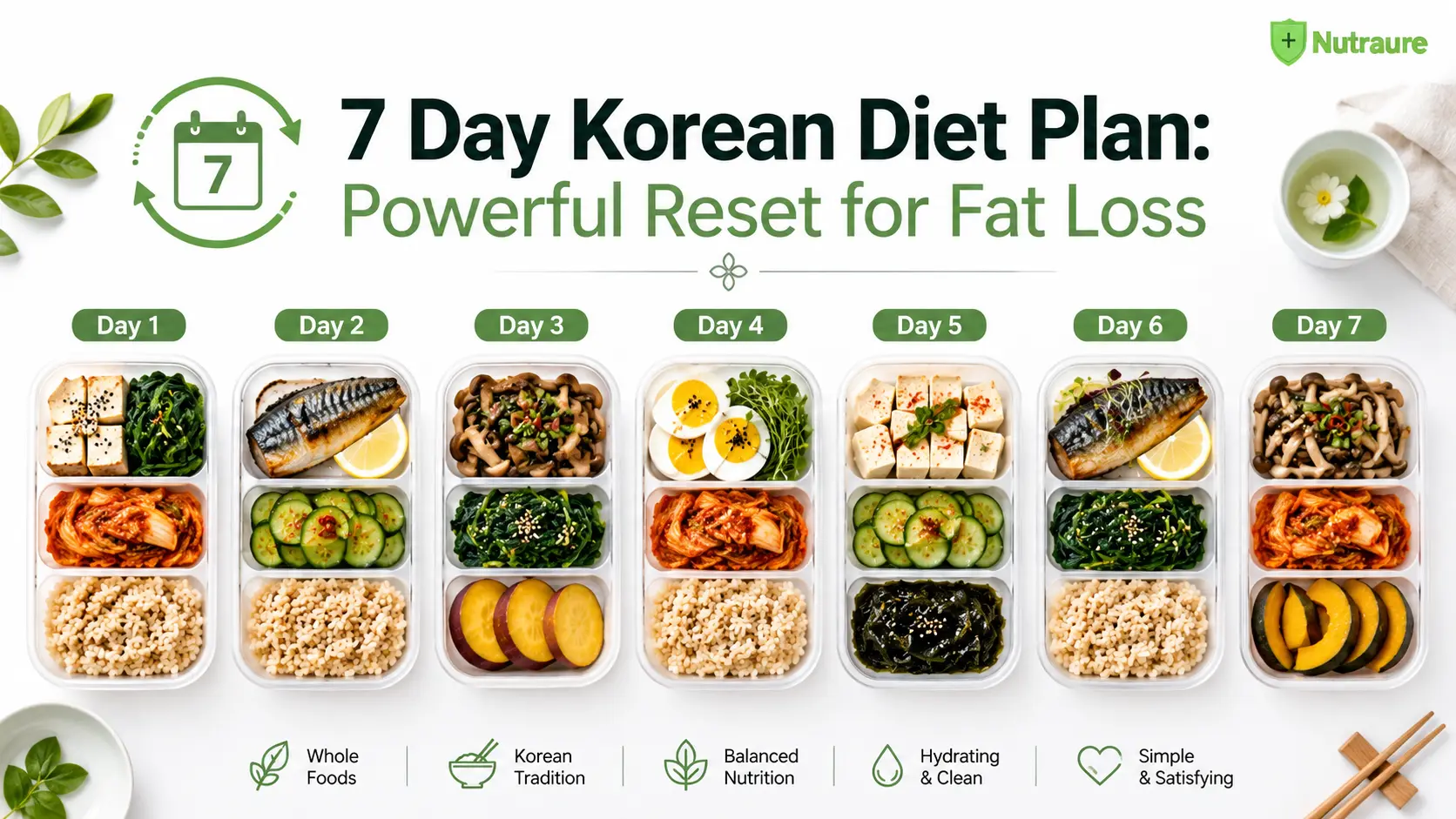
A 7 Day Korean Diet Plan can be a simple way to reset your meals, reduce random snacking, and build a more balanced eating routine without making food feel boring. This plan is inspired by Korean-style meals that often include rice, vegetables, soup, fermented sides, tofu, fish, eggs, chicken, seaweed, and small banchan-style portions.
This is not a crash diet. You do not need to starve, skip every carb, or copy extreme “idol diet” trends. The better goal is to eat meals that feel light but satisfying: protein for fullness, vegetables for volume, smart portions of rice or noodles, and fermented foods like kimchi in moderate amounts.
Healthy weight loss usually works best when it is gradual. The CDC notes that people who lose weight steadily, around 1 to 2 pounds per week, are more likely to keep it off than people who lose weight quickly. The same guidance also points to healthy eating, movement, sleep, and stress management as part of a realistic weight plan.
Before starting, use common sense. If you are pregnant, breastfeeding, underweight, recovering from an eating disorder, managing diabetes, kidney disease, high blood pressure, or taking medication, speak with a qualified health professional first.
What Is the 7 Day Korean Diet Plan?
The 7 Day Korean Diet Plan is a Korean-inspired meal plan built around balanced meals, not extreme restriction. It uses common Korean foods and flavors more lightly, so you can enjoy satisfying meals while still supporting fat loss.
The main idea is simple:
- Eat protein at each meal.
- Add plenty of vegetables.
- Keep rice or noodles controlled, not eliminated.
- Use fermented foods in small portions.
- Choose soups, grilled foods, steamed foods, and stir-fries over deep-fried meals.
- Reduce sugary drinks, oversized rice bowls, instant ramen, and heavy sauces.
Traditional Korean cuisine commonly includes rice, vegetables, seafood, meats, fermented soybean paste, soy sauce, garlic, ginger, gochugaru, gochujang, and kimchi. Kimchi is also commonly served as a side dish with meals.
A Korean-Inspired Reset, Not a Crash Diet
A good Korean diet plan for weight loss should still feel like real food. You should be able to sit down to a warm soup, a small rice bowl, tofu, eggs, grilled fish, chicken, mushrooms, spinach, cucumber salad, and a little kimchi without feeling punished.
That is why this plan avoids harsh rules like “no rice ever” or “only soup for dinner.” Instead, it focuses on better portions and better combinations.
Think of it as a one-week reset for:
- meal structure
- cravings
- portion control
- bloating from salty or processed foods
- low vegetable intake
- too much takeout
- late-night snacking
Why Korean-Style Eating Can Work for Fat Loss
Korean-style meals can work well for fat loss because they are easy to build around vegetables, protein, and soup. A bowl of tofu soup with mushrooms and greens, for example, can feel filling without being heavy. A bibimbap bowl can be made lighter by using extra vegetables, a smaller portion of rice, and a lean protein.
The Harvard Healthy Eating Plate recommends making half the plate vegetables and fruits, one quarter whole grains, and one quarter healthy protein. It also encourages water, tea, or coffee with little or no sugar and regular activity.
That plate idea fits nicely with a Korean-inspired meal: vegetables and banchan on the side, protein in the center, a smaller serving of rice, and soup or tea to round it out.
Who Should Try This Korean Diet Plan?
This plan is best for people who want a structured but flexible 7-day meal plan. It can work especially well if you enjoy Korean flavors, want to eat more vegetables, or need a break from high-calorie takeout meals.
Best For
This plan may be helpful if you:
- want a beginner-friendly Korean meal plan
- enjoy kimchi, tofu, eggs, rice, fish, chicken, soups, and vegetables
- want to lose fat without eating bland food
- need a simple meal prep routine
- want fewer sugary snacks and processed meals
- prefer warm, savory meals over salads all day
Who Should Be Careful
Some Korean foods and condiments can be high in sodium. Kimchi, soy sauce, doenjang, gochujang, and ssamjang are flavorful, but small portions matter.
The American Heart Association notes that the Dietary Guidelines for Americans recommend consuming less than 2,300 mg of sodium per day, and that more than 70% of sodium intake often comes from packaged, prepared, and restaurant foods.
Be extra careful with this plan if you have:
- high blood pressure
- kidney disease
- diabetes
- sodium sensitivity
- a history of disordered eating
- pregnancy or breastfeeding
- a medical condition requiring a special diet
You can still use Korean-inspired meals, but choose low-sodium sauces, smaller kimchi portions, and professional guidance when needed.
Core Rules of the 7 Day Korean Diet Plan
The best diet plan is the one you can actually follow. These rules keep the plan simple and realistic.
Rule 1: Build Every Meal Around Protein
Protein helps meals feel more satisfying. It also helps support muscle maintenance while you are losing weight. That matters because fat loss should not mean feeling weak, tired, and hungry all day.
Good Korean-inspired protein choices include:
- eggs
- tofu
- chicken breast or chicken thigh with skin removed
- grilled fish
- tuna
- salmon
- lean beef in small portions
- soybeans
- edamame
- Greek yogurt, if it fits your diet
A practical target is to include a palm-sized serving of protein at lunch and dinner. For breakfast, try eggs, tofu, tuna, yogurt, or a small rice bowl with egg and seaweed.
Rule 2: Fill Half Your Plate With Vegetables
Vegetables make this plan feel generous. You can eat a bigger-looking meal without relying on huge portions of rice or noodles.
Good choices include:
- napa cabbage
- spinach
- bean sprouts
- mushrooms
- zucchini
- cucumber
- radish
- lettuce wraps
- seaweed
- carrots
- scallions
Try this simple plate: grilled fish, spinach namul, cucumber salad, mushrooms, ½ cup cooked rice, and a small side of kimchi.
Rule 3: Use Rice Smartly, Don’t Fear It
Rice is not the enemy. The problem is usually portion size. A giant rice bowl plus sweet sauce plus fried meat can become a high-calorie meal quickly.
For fat loss, start with:
- ½ cup cooked rice per meal
- brown rice, barley rice, or mixed grain rice when possible
- extra vegetables if you still feel hungry
- lettuce wraps when you want a lower-carb dinner
If you are very active, you may need more rice. If you are less active or trying to reduce calories, keep the serving smaller.
Rule 4: Add Fermented Foods in Small Portions
Kimchi is one of the most famous Korean foods. It is made from salted and fermented vegetables, often napa cabbage or radish, with seasonings such as gochugaru, garlic, ginger, scallions, and sometimes salted seafood.
Fermented foods can add flavor and may support gut-friendly eating patterns, but they are not magic fat burners. Keep the portion modest, especially if you are watching sodium.
Good options include:
- kimchi
- cucumber kimchi
- fermented radish
- small amounts of doenjang in soup
- small amounts of gochujang for flavor
Rule 5: Avoid the Common Fat-Loss Traps
Korean food can be very healthy, but not every Korean dish is light. Some popular foods are better as occasional treats during a fat-loss phase.
Limit these during the 7-day reset:
- Korean fried chicken
- cheese tteokbokki
- creamy rose tteokbokki
- instant ramen
- oversized rice bowls
- corn dogs
- sweet pancakes
- sugary dalgona drinks
- too much gochujang or soy sauce
- alcohol
- late-night snacks

Foods to Eat on a Korean Diet for Fat Loss
You do not need rare ingredients to follow this plan. Most meals can be made with simple groceries and a few Korean staples.
Best Korean Proteins
Choose one protein per meal:
- tofu
- eggs
- grilled fish
- tuna
- salmon
- chicken breast
- lean bulgogi-style beef
- soybeans
- edamame
- turkey or chicken mince
For a quick meal, make a tofu kimchi soup with mushrooms. For lunch, use chicken in a bibimbap-style bowl with lots of vegetables and a smaller rice portion.
Best Korean Vegetables and Banchan
Vegetable sides make the plan easier to follow because they add crunch, flavor, and color.
Good options include:
- cucumber salad
- spinach namul
- bean sprout salad
- kimchi
- seaweed salad
- sautéed mushrooms
- lettuce wraps
- radish salad
- zucchini strips
- napa cabbage
Keep banchan light. Some restaurant banchan can be sweet, oily, or salty, so homemade versions are usually better for fat loss.
Best Carbs for Energy
You do not need to remove carbs completely. Choose better portions and better types.
Try:
- brown rice
- barley rice
- mixed grain rice
- sweet potato
- soba noodles
- small rice cake portions occasionally
If you love white rice, keep it. Just measure it for this week. A ½ cup cooked serving is a good starting point for many fat-loss meals.
Best Soups and Broths
Soup is one of the easiest ways to make a Korean diet plan feel comforting.
Good choices include:
- doenjang tofu soup
- seaweed soup
- kimchi tofu soup
- clear vegetable broth
- egg drop soup
- mushroom broth
- chicken vegetable soup
Choose broth-based soups more often than creamy, oily, or instant versions.
Foods to Limit During the 7-Day Reset
This plan does not ban your favorite foods forever. It simply gives your body and appetite a cleaner routine for one week.
High-Calorie Korean Foods to Eat Less Often
During the reset, limit:
- Korean fried chicken
- instant ramen
- cheese tteokbokki
- creamy rose tteokbokki
- Korean corn dogs
- hotteok
- sugary milk drinks
- sweetened coffee drinks
- large white rice portions
- fatty barbecue cuts with heavy dipping sauces
These foods can still fit into a balanced life, but they make fat loss harder when eaten often.
Sauces and Condiments to Watch
Korean sauces are delicious, but they can add sodium, sugar, and calories quickly.
Use small amounts of:
- gochujang
- soy sauce
- doenjang
- ssamjang
- sesame oil
- bottled marinades
To keep flavor high without overdoing salt, use more:
- garlic
- ginger
- scallions
- rice vinegar
- chili flakes
- toasted sesame seeds
- lemon or lime
- fresh herbs
A good trick: mix gochujang with vinegar, garlic, and a splash of water. You get the flavor, but you do not need a large spoonful.
7 Day Korean Diet Plan for Fat Loss
This 7 Day Korean Diet Plan is built around simple meals you can actually cook. Portions can be adjusted based on your body size, activity level, hunger, and health needs.
Use this basic portion guide:
- Protein: 1 palm-sized portion
- Vegetables: 2 fists or more
- Rice or noodles: about ½ cup cooked
- Kimchi or banchan: small side portion
- Oil or sauce: 1 to 2 teaspoons

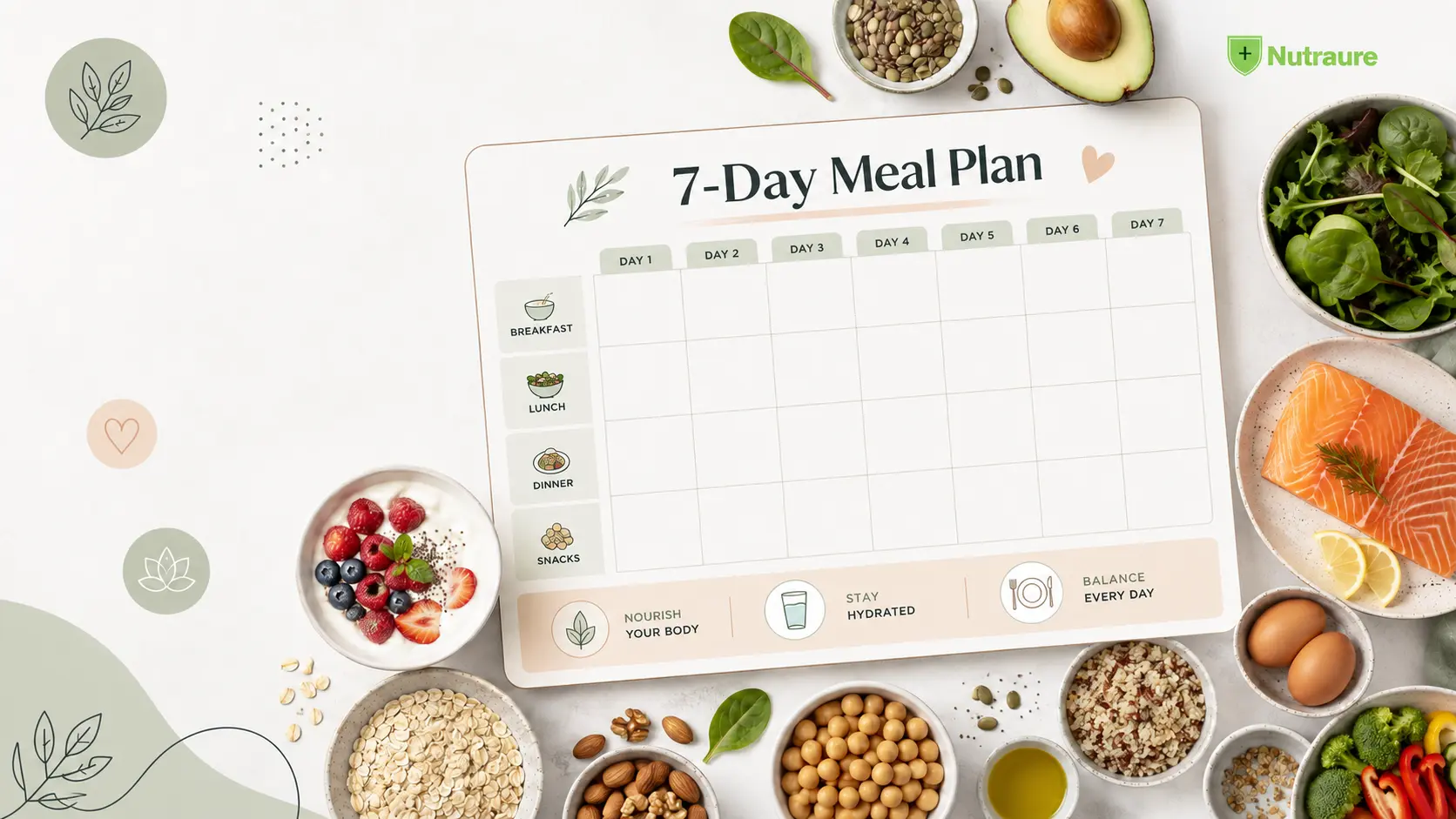
7-Day Meal Plan Table
| Day | Breakfast | Lunch | Dinner | Snack |
|---|---|---|---|---|
| Day 1 | Steamed egg bowl with spinach and cucumber | Chicken bibimbap bowl with ½ cup rice | Tofu kimchi soup with mushrooms | ***** or boiled egg |
| Day 2 | Egg and seaweed rice bowl | Tuna lettuce wraps with kimchi | Grilled fish, bean sprouts, and small rice portion | Greek yogurt or edamame |
| Day 3 | Sweet potato with boiled eggs | Doenjang soup with tofu and vegetables | Chicken lettuce wraps with cucumber kimchi | **** slices or roasted seaweed |
| Day 4 | Tofu scramble with mushrooms | Bulgogi-style chicken salad bowl | Kimchi tofu stir-fry with zucchini | Cucumber sticks with light dip |
| Day 5 | Egg drop soup with spinach | Salmon soba salad | Turkey or chicken bulgogi lettuce cups | Boiled egg or fruit |
| Day 6 | Brown rice, egg, seaweed, and kimchi | Bibimbap bowl with tofu and vegetables | Seaweed soup with grilled fish | Edamame or ***** |
| Day 7 | Sweet potato, egg, cucumber salad | Light chicken kimchi fried rice | Doenjang tofu soup with vegetables | **** or roasted seaweed |
Day 1: Light Reset Day
Start simple. A steamed egg bowl gives you protein without feeling heavy. For lunch, make a chicken bibimbap bowl with spinach, cucumber, mushrooms, carrots, and ½ cup rice. Use a small amount of gochujang sauce.
For dinner, make tofu kimchi soup with mushrooms. Keep the kimchi portion moderate and add extra vegetables to make the bowl more filling.
Day 2: High-Protein Korean Meals
Breakfast can be an egg and seaweed rice bowl. Keep the rice small and add cucumber or spinach on the side.
For lunch, tuna lettuce wraps are fast and easy. Mix tuna with a little sesame oil, scallion, cucumber, and a small amount of kimchi. Wrap it in lettuce instead of adding more rice.
Dinner is grilled fish with bean sprouts and vegetables. If you still feel hungry, add a small bowl of soup.
Day 3: Gut-Friendly Korean Foods
This day includes fermented foods, fiber, and warm soup. Breakfast is sweet potato with boiled eggs. Lunch is doenjang soup with tofu and vegetables.
For dinner, make chicken lettuce wraps with cucumber kimchi. This is a good lower-carb dinner that still feels filling.
Day 4: Low-Carb Korean-Inspired Day
Day 4 reduces rice but does not make the plan miserable. Breakfast is tofu scramble with mushrooms and scallions. Lunch is a bulgogi-style chicken salad bowl with lettuce, cucumber, carrot, radish, and a light sauce.
Dinner is kimchi tofu stir-fry with zucchini. Use less oil and add mushrooms for more volume.
Day 5: Korean Meal Prep Day
This is the day to rely on leftovers. Egg drop soup with spinach is quick for breakfast. Salmon soba salad works well for lunch because it gives you protein, carbs, and vegetables in one bowl.
Dinner is turkey or chicken bulgogi lettuce cups. Add cucumber, radish, and a small side of rice if needed.
Day 6: Balanced Energy Day
This day includes a little more carb balance. Breakfast is brown rice, egg, seaweed, and kimchi. Lunch is tofu bibimbap with extra vegetables.
Dinner is seaweed soup with grilled fish. This is a calm, simple meal that feels good at the end of a busy day.
Day 7: Final Fat-Loss Reset Day
Finish with meals that feel familiar and easy. Breakfast is sweet potato, egg, and cucumber salad. Lunch is light chicken kimchi fried rice. Use less oil, add extra vegetables, and keep the rice portion small.
Dinner is doenjang tofu soup with vegetables. This is a good final meal because it is warm, filling, and easy to repeat the next week.
By the end of this 7 Day Korean Diet Plan, you should have a better sense of your portions, favorite Korean-inspired meals, and which foods help you feel full without overeating.
Korean Diet Grocery List for 7 Days
A clear grocery list makes the plan easier. You do not need to buy every item. Pick two or three options from each category.
Proteins
- eggs
- tofu
- chicken breast
- salmon
- white fish
- tuna
- lean beef
- edamame
- Greek yogurt
- turkey mince
Vegetables
- napa cabbage
- spinach
- mushrooms
- zucchini
- cucumber
- lettuce
- bean sprouts
- radish
- carrots
- scallions
- garlic
- ginger
Carbs
- brown rice
- mixed grain rice
- barley rice
- sweet potatoes
- soba noodles
Korean Staples
- kimchi
- doenjang
- gochujang
- low-sodium soy sauce
- sesame oil
- roasted seaweed
- rice vinegar
- chili flakes
- sesame seeds
Smart Low-Sodium Swaps
Try these simple swaps:
- Use low-sodium soy sauce.
- Use smaller kimchi portions.
- Add vinegar for brightness.
- Add garlic, ginger, and scallions for flavor.
- Thin sauces with water instead of adding more.
- Make your own sauce instead of using bottled marinades.

7-Day Korean Meal Prep Plan
Meal prep does not need to mean cooking 21 full meals at once. For this plan, prep ingredients so meals come together quickly.
What to Prep on Day 0
Before the week starts, prepare:
- 2 to 3 cups cooked brown rice or mixed grain rice
- 6 boiled eggs
- washed lettuce leaves
- sliced cucumber
- washed spinach
- sautéed mushrooms
- cooked chicken breast
- cubed tofu
- portioned kimchi
- simple sauce made with gochujang, vinegar, garlic, and water
Store everything separately. This keeps meals fresh and prevents soggy bowls.
How to Store Meals
Use simple containers:
- Keep rice in single portions.
- Store sauces separately.
- Keep leafy greens dry.
- Store soup in airtight containers.
- Reheat rice and soup fully before eating.
- Add kimchi after reheating, not before, if you prefer a fresher taste.
10-Minute Korean Meal Formula
Use this formula when you do not want to think:
Protein + Vegetable + Small Carb + Fermented Side + Light Soup
Examples:
- tofu + spinach + ½ cup rice + kimchi + seaweed soup
- chicken + lettuce wraps + cucumber kimchi + broth
- egg + mushrooms + brown rice + radish salad + clear soup
- tuna + cucumber + seaweed + small rice bowl + kimchi
This formula is one of the easiest ways to continue after the 7 days.
How Many Calories Should This Korean Diet Plan Have?
There is no perfect calorie number for everyone. Your needs depend on your height, weight, age, activity level, health status, and goal.
The Harvard Healthy Eating Plate explains that its plate sections are not meant to prescribe one fixed calorie amount because calorie and nutrient needs vary by person.
Instead of forcing a strict number, start with portions:
- 1 palm of protein
- 2 fists of vegetables
- ½ cup cooked rice or noodles
- 1 small fermented side
- 1 to 2 teaspoons oil or sauce
If you feel weak, dizzy, overly hungry, or unable to concentrate, you may be eating too little. Add more protein, vegetables, or a slightly larger carb portion. Fat loss should not feel like punishment.
Korean Diet Tips to Lose Fat Without Starving
Eat Soup Before or With Meals
A warm soup can slow you down and make a meal feel complete. Choose tofu soup, seaweed soup, vegetable broth, or egg drop soup. Watch sodium if you use packaged broth or restaurant soups.
Use Lettuce Wraps Instead of Extra Rice
Lettuce wraps are great when you want a lighter dinner. Try:
- chicken ssam
- tofu ssam
- tuna ssam
- lean beef with cucumber and radish
Add a small spoon of sauce instead of covering every bite.
Keep Kimchi Portions Moderate
Kimchi is flavorful and can be part of a healthy Korean-inspired meal, but it is still a salted fermented food. If you are watching sodium, use smaller portions and balance it with fresh vegetables and water.
Walk After Meals
You do not need an intense workout to support this plan. A 10- to 20-minute walk after lunch or dinner can help you build a more active routine. The CDC includes regular physical activity as part of a healthy weight lifestyle.
Drink Simple Beverages
Choose:
- water
- unsweetened barley tea
- green tea
- herbal tea
- sparkling water
- black coffee or lightly sweetened coffee
Limit sugary drinks, sweet coffee, bubble tea, and alcohol during the 7-day reset.
Common Mistakes to Avoid on a Korean Weight Loss Diet
Mistake 1: Eating Too Much Rice
Rice can fit into a Korean diet plan. The issue is eating large bowls at every meal while also adding noodles, sauces, fried foods, and snacks.
Start with ½ cup cooked rice and adjust from there.
Mistake 2: Turning Every Meal Into Instant Ramen
Instant ramen is convenient, but it is usually not the best base for a fat-loss meal. It tends to be low in protein and vegetables unless you upgrade it.
If you do eat ramen, improve it:
- use half the seasoning packet
- add tofu or egg
- add spinach, mushrooms, and bean sprouts
- skip extra cheese or fried toppings
Mistake 3: Overusing Sauces
Gochujang, soy sauce, doenjang, and ssamjang add big flavor, but more is not always better. Use small amounts and add garlic, ginger, vinegar, chili flakes, and scallions to stretch the flavor.
Mistake 4: Copying Extreme Idol Diets
Avoid extreme celebrity or idol-style diets. Many are too low in calories, hard to maintain, and not designed for regular people with work, family, training, hormones, stress, and normal hunger.
A better plan is boring in the best way: repeat balanced meals, walk more, sleep better, and keep portions realistic.
Mistake 5: Not Eating Enough Protein
If your meals are mostly rice, noodles, fruit, and vegetables, you may feel hungry again quickly. Add eggs, tofu, fish, chicken, tuna, edamame, or lean meat to make meals more satisfying.
Vegetarian Korean Diet Plan Swaps
You can follow this plan as a vegetarian with a few easy swaps.
Best Vegetarian Proteins
Use:
- tofu
- tempeh
- eggs
- edamame
- soybeans
- mushrooms with tofu
- Greek yogurt, if you eat dairy
- lentils in Korean-inspired fusion bowls
Easy Vegetarian Meal Ideas
Try these:
- tofu bibimbap
- doenjang tofu soup
- kimchi tofu stir-fry
- mushroom lettuce wraps
- egg and seaweed rice bowl
- edamame cucumber bowl
- tofu soba salad
Check kimchi labels if you are vegetarian. Some kimchi contains fish sauce, shrimp paste, or other seafood ingredients.
What Results Can You Expect in 7 Days?
A 7-day plan is a reset, not a miracle. You may feel lighter because you are eating more structured meals, drinking more water, and reducing heavy takeout, sugar, alcohol, and late-night snacks.
Realistic Changes
In one week, you may notice:
- less bloating
- better meal structure
- fewer cravings
- more vegetables in your day
- better portion awareness
- more stable energy
- a small weight change if you are in a calorie deficit
Some early weight loss may be water weight, especially if you reduce salty processed foods and large portions of refined carbs.
What This Plan Cannot Promise
This plan cannot promise:
- guaranteed belly fat loss
- 10 kg weight loss in 7 days
- medical results
- a smaller waist overnight
- permanent fat loss from one week only
Sustainable fat loss comes from repeating simple habits long enough for them to matter.
How to Continue After the 7 Days
The best part of this plan is that you can repeat it with new ingredients.
Repeat the Plan With New Proteins
Try:
- chicken one week, fish the next
- tofu at lunch, eggs at breakfast
- tuna lettuce wraps instead of chicken wraps
- lean beef once or twice per week
Move Into an 80/20 Korean-Inspired Routine
After the reset, use an 80/20 approach:
- 80% balanced meals
- 20% flexible meals
That means you can still enjoy tteokbokki, Korean barbecue, fried chicken, or dessert sometimes. Just do not make them your daily base.
Weekly Korean Meal Prep Template
Each week, prep:
- 2 proteins
- 3 vegetables
- 1 soup
- 1 rice or grain
- 1 fermented side
- 1 light sauce
Example:
- proteins: tofu and chicken
- vegetables: spinach, cucumber, mushrooms
- soup: seaweed soup
- grain: brown rice
- fermented side: kimchi
- sauce: gochujang vinegar sauce
With those basics, you can build bowls, wraps, soups, and stir-fries all week.
Final Thoughts on the 7 Day Korean Diet Plan
The 7 Day Korean Diet Plan is best used as a practical reset. It gives you structure without asking you to eat boring meals or follow extreme rules.
Focus on protein, vegetables, broth-based soups, small portions of fermented foods, and smart rice servings. Keep sauces moderate. Drink water or unsweetened tea. Walk after meals when you can. Most importantly, do not treat this as a punishment.
A good fat-loss plan should make your next healthy meal easier, not make you feel guilty for being hungry.
FAQs About the 7 Day Korean Diet Plan
Is the 7 Day Korean Diet Plan good for weight loss?
Yes, it can support weight loss if it helps you create a calorie deficit while still eating protein, vegetables, fiber, and satisfying meals. It should not be used as a crash diet.
Can I eat rice on a Korean diet plan?
Yes. Rice can fit into a Korean diet plan when portions are controlled. For fat loss, a common starting point is about ½ cup cooked rice per meal.
Is kimchi good for fat loss?
Kimchi can be part of a fat-loss diet because it is vegetable-based and flavorful. But it does not burn fat on its own. It can also be high in sodium, so keep portions moderate.
What Korean food is best for weight loss?
Good choices include tofu soup, grilled fish, chicken lettuce wraps, bibimbap with extra vegetables, seaweed soup, cucumber salad, spinach namul, bean sprouts, and tofu stir-fry.
Can I follow this Korean diet plan as a vegetarian?
Yes. Use tofu, eggs, edamame, soybeans, mushrooms, tempeh, and vegetable-based soups as your main meal anchors.
How much weight can I lose in 7 days?
Results vary. Some people may lose a small amount of weight if they are in a calorie deficit. Some of that may be water weight. Avoid any plan that promises extreme 7-day fat loss.
Is Korean food healthy?
Korean-inspired meals can be healthy when they are built around vegetables, lean proteins, soups, fermented sides, and moderate grain portions. Fried foods, sugary drinks, large rice portions, and salty sauces should be limited.
Can I drink coffee on this plan?
Yes. Keep it black, unsweetened, or lightly sweetened. Avoid high-calorie coffee drinks with cream, syrup, and lots of sugar.
What should I drink during the 7 days?
Drink water, unsweetened barley tea, green tea, herbal tea, sparkling water, or coffee with little or no sugar.
Is this the same as the Korean Switch-On Diet?
No. This is a Korean-inspired 7-day fat-loss reset. It is not a strict viral diet, fasting plan, or shake-based program.

yes, but it is best For Beginners.