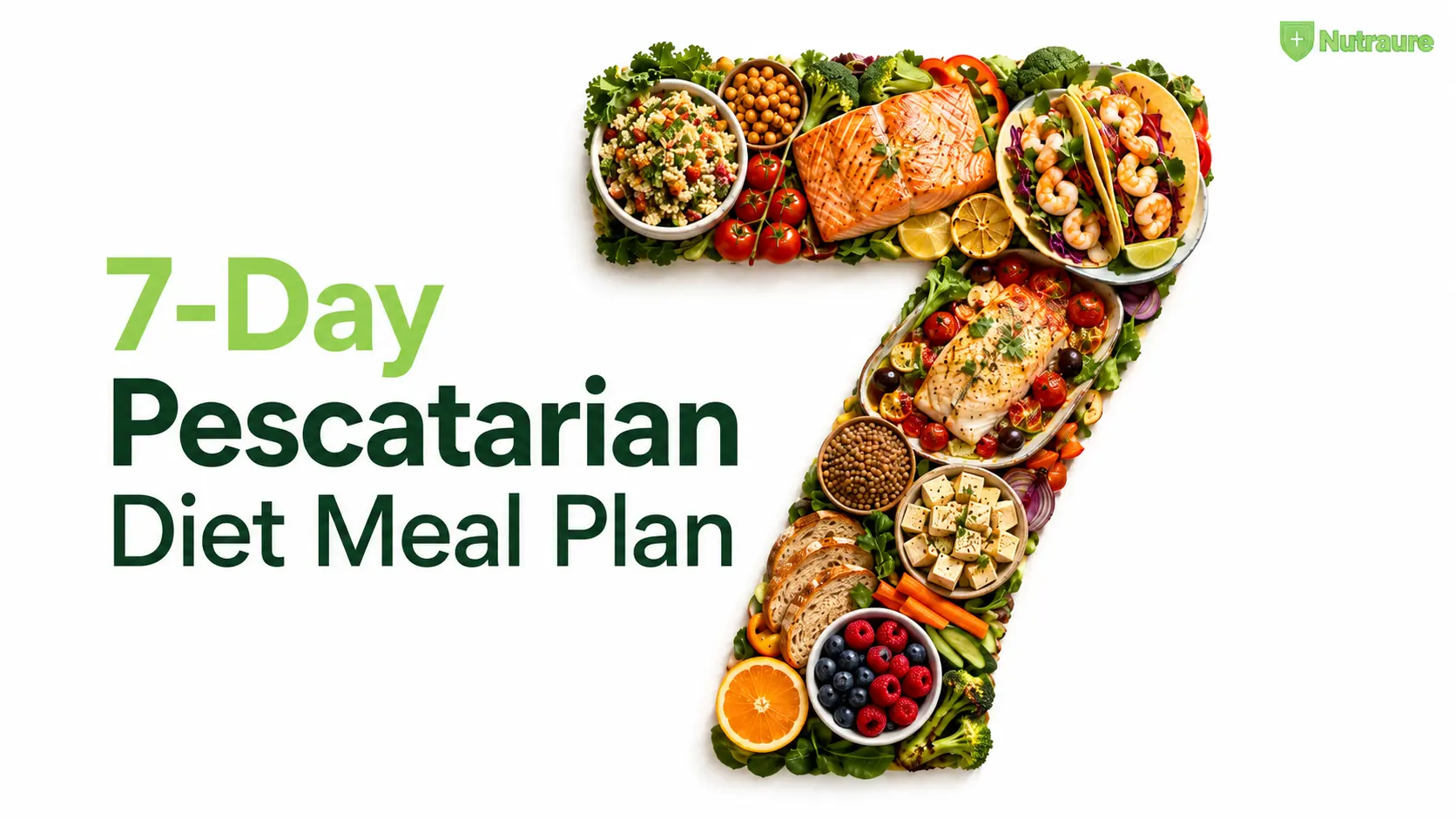
Starting a pescatarian diet should not mean eating salmon every night or spending half your week searching for unfamiliar ingredients.
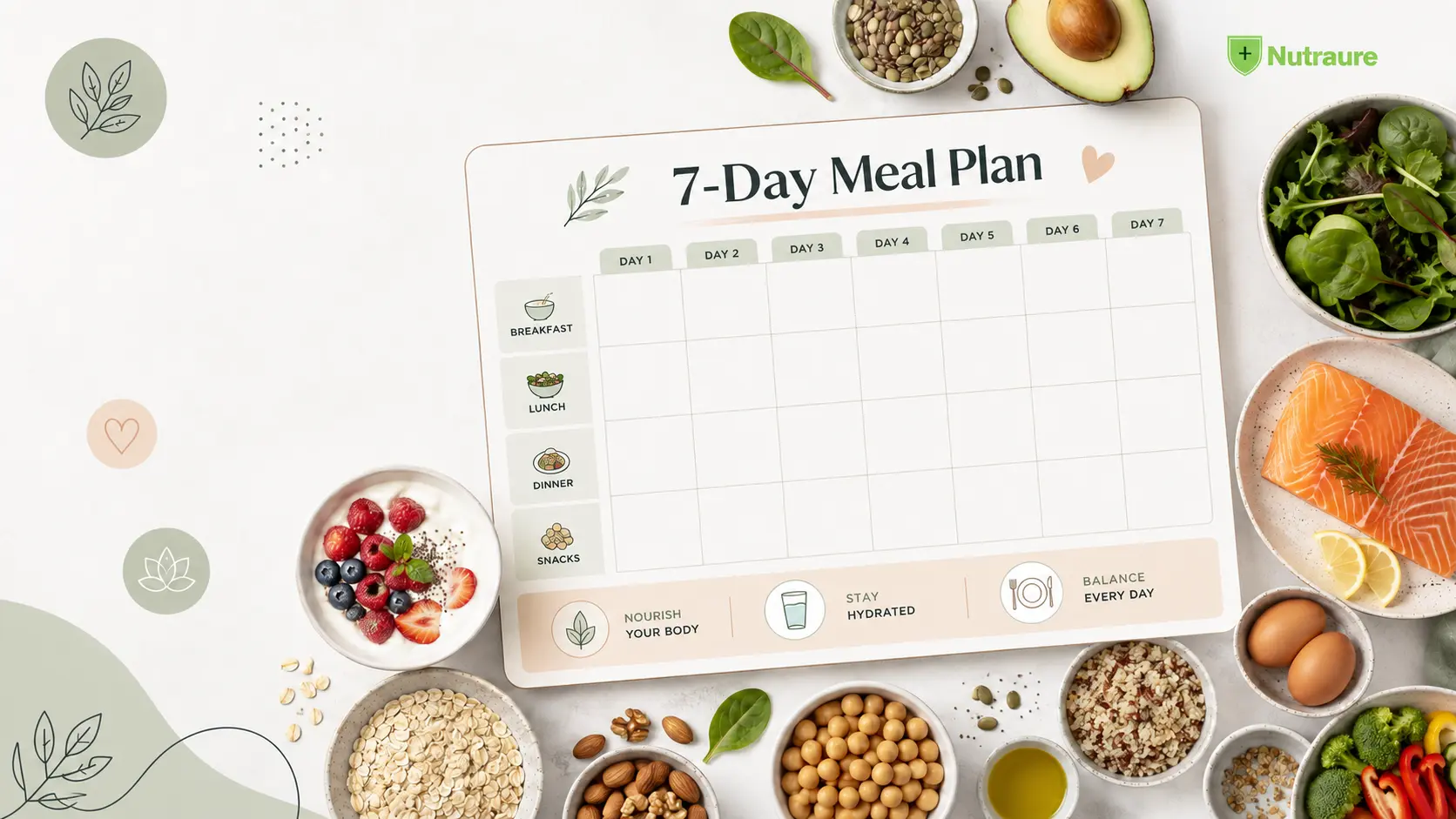
This practical pescatarian diet meal plan gives you seven days of breakfasts, lunches, dinners, and flexible snacks. It combines seafood with beans, lentils, tofu, eggs, whole grains, vegetables, fruit, nuts, and seeds, so fish is not responsible for carrying every meal.
The plan also reuses ingredients intentionally. Quinoa cooked for one dinner becomes the base of tomorrow’s lunch. Cabbage bought for tacos appears later in a wrap. Leftover roasted vegetables become an easy grain bowl instead of disappearing into the back of the refrigerator.
Use this plan as a starting point rather than a rigid prescription. Adjust portions for your appetite, schedule, household size, activity level, allergies, and personal nutrition needs.
A note before you begin: This article provides general meal-planning information, not individualized medical or nutrition advice. Anyone managing a medical condition, food allergy, pregnancy, or specific nutrient requirement should speak with a qualified healthcare professional or registered dietitian.
Your 7-Day Pescatarian Meal Plan at a Glance
A pescatarian eating pattern is mostly plant-based but includes fish and shellfish. Many pescatarians also eat eggs and dairy, although both are optional.
This weekly plan balances seafood meals with plant-based options instead of treating “pescatarian” as another way of saying “fish at every meal.”
| Day | Breakfast | Lunch | Dinner | Main protein |
|---|---|---|---|---|
| 1 | Berry chia overnight oats | Chickpea quinoa bowl | Lemon-herb salmon | Chickpeas and salmon |
| 2 | Vegetable egg scramble | Leftover quinoa bowl | Shrimp tacos | Eggs and shrimp |
| 3 | Cinnamon walnut oatmeal | Tuna and white-bean wrap | Tofu vegetable stir-fry | Beans, tuna and tofu |
| 4 | Avocado egg toast | Leftover tofu rice bowl | Mediterranean baked cod | Eggs, tofu and cod |
| 5 | Cottage-cheese fruit bowl | Lentil vegetable soup | Chickpea pasta with white beans | Dairy, lentils and beans |
| 6 | Banana oat pancakes | Hummus vegetable wrap | Black-bean enchilada bake | Hummus and black beans |
| 7 | Spinach feta frittata | Leftover enchilada bowl | Sheet-pan trout | Eggs, beans and trout |
Snacks are flexible. Choose one when you are hungry, skip it when you are not, or add another snack if your energy needs are higher.
What Is a Pescatarian Diet?
A pescatarian diet is a vegetarian-style eating pattern that includes fish and seafood. It normally excludes chicken, turkey, beef, pork, lamb, and other land-animal meat.
The word is also commonly spelled pescetarian. Both spellings refer to the same general way of eating.
There is no single official pescatarian menu. One person might eat seafood twice a week and rely heavily on lentils and tofu. Another might eat fish more regularly. Some pescatarians include eggs, milk, yogurt, and cheese, while others avoid one or more of those foods.
Foods pescatarians commonly eat.
A varied pescatarian food list can include:
- Fish such as salmon, trout, cod, sardines, and canned light tuna
- Shellfish such as shrimp, crab, scallops, clams, and oysters
- Beans, lentils, chickpeas, and peas
- Tofu, tempeh, edamame, and other soy foods
- Eggs and dairy, when preferred
- Vegetables and fruit
- Oats, brown rice, quinoa, barley, and other grains
- Nuts, seeds, avocado, and olive oil
This variety matters. Seafood can provide protein and nutrients such as vitamin B12, selenium, and the omega-3 fats EPA and DHA, while beans, vegetables, fruit, and whole grains contribute fiber and a wider range of plant foods. The NIH explains that ALA is found mainly in plant foods such as flaxseed and walnuts, while EPA and DHA are found in fish and other seafood. See the NIH omega-3 fact sheet for a fuller explanation.
Foods pescatarians usually avoid
Most pescatarians do not eat:
- Beef
- Pork
- Lamb
- Chicken
- Turkey
- Game meat
- Meat-based broths and gravies
- Foods made with meat-derived ingredients, depending on personal preference
Packaged soups, sauces, rice mixes, and restaurant meals sometimes contain chicken stock, meat flavoring, or gelatin even when meat is not visible. Check the ingredient label when that distinction matters to you.
Pescatarian versus vegetarian
The main difference is seafood. Vegetarians do not eat fish or shellfish, while pescatarians do.
Both groups may include eggs and dairy. Someone who eats seafood along with occasional chicken or red meat would usually be described as flexitarian rather than pescatarian.
How This Pescatarian Diet Meal Plan Works
The aim of this plan is not to create seven completely different days that require seven separate shopping trips. It is built around three practical ideas.
Seafood and plant proteins share the week
Fish is only one protein option.
The plan also uses chickpeas, lentils, tofu, black beans, white beans, edamame, eggs, yogurt, nuts, and seeds. This makes the menu more varied and helps keep the grocery bill from depending entirely on fresh seafood.
USDA MyPlate recommends varying protein choices and notes that many adults can include about eight ounces of seafood a week as part of a balanced eating pattern. That amount is a general reference based on a 2,000-calorie diet, not a personalized target or an upper limit for every adult. You can review the broader MyPlate protein guidance.
This plan offers several seafood meals, but every one has a plant-based alternative. To stay closer to eight ounces per week, replace two of the fish dinners with tofu, beans, or lentils.
Seafood choices are varied.d
The menu uses salmon, shrimp, cod, trout, and optional canned light tuna instead of relying on one fish throughout the week.
The FDA sorts fish into “Best Choices,” “Good Choices,” and “Choices to Avoid” according to mercury levels. Salmon, shrimp, cod, freshwater trout, and canned light tuna appear in its Best Choices category. Recommendations are especially important for people who are pregnant or breastfeeding and for young children. Check the current FDA fish-choice chart when choosing seafood.
Leftovers have a specific job.
Leftovers are not an afterthought in this plan.
Cook extra quinoa for tomorrow’s bowl. Make enough brown rice for two meals. Use the remaining spinach in the Day 7 frittata. Turn leftover enchilada filling into a quick lunch rather than cooking another complete meal.
This “cook once, use twice” approach reduces weekday work without requiring you to prepare every meal on Sunday.

Complete 7-Day Pescatarian Diet Meal Plan
Each day below includes breakfast, lunch, dinner, and a suggested snack. Adjust quantities to match your appetite and household.
Dinner preparation times assume that vegetables have been washed and basic pantry ingredients are available.
Day 1: A Fresh Mediterranean Start
Breakfast: Berry chia overnight oats
Combine oats, chia seeds, milk or a fortified plant-based drink, and Greek or soy yogurt. Refrigerate overnight, then add berries and walnuts in the morning.
This breakfast can be made in individual jars, which is useful when household members leave at different times.
Lunch: Mediterranean chickpea quinoa bowl
Fill a bowl with quinoa, chickpeas, cucumber, tomatoes, spinach, olives, and a lemon-tahini dressing. Add feta if you eat dairy.
Make an extra portion of quinoa for dinner and Day 2 lunch.
Snack: ***** with nut butter
Use peanut, almond, or seed butter according to your preference and allergy needs.
Dinner: Lemon-herb salmon with quinoa and roasted broccoli
Season salmon with lemon, garlic, black pepper, and dried herbs. Serve it with quinoa and broccoli roasted in olive oil.
Active preparation time: About 25 minutes.
For a fish-free version, bake marinated tofu on the same sheet pan. Cook only as much salmon as you plan to eat tonight; tomorrow’s lunch can use leftover quinoa and chickpeas instead of reheated fish.
Day 2: Quick and Colorful
Breakfast: Vegetable egg scramble
Cook eggs with spinach, tomatoes, and any leftover vegetables. Serve with whole-grain toast and a piece of fruit.
For an egg-free breakfast, scramble crumbled tofu with turmeric, garlic, and vegetables.
Lunch: Leftover quinoa power bowl
Use yesterday’s quinoa, chickpeas, broccoli, greens, and lemon dressing. Add avocado just before serving so it stays fresh.
This is one of the easiest lunches in the plan because the main ingredients are already cooked.
Snack: Yogurt with walnuts
Choose Greek yogurt, soy yogurt, or another alternative that suits your diet.
Dinner: Shrimp tacos with cabbage slaw
Sauté shrimp with cumin, paprika, garlic, and lime. Fill corn or whole-grain tortillas with shrimp, shredded cabbage, avocado, tomato, and a spoonful of yogurt-lime sauce.
Active preparation time: About 25 minutes.
Use baked tofu, black beans, or flaked cod instead of shrimp when you need a shellfish-free option. Save some cabbage for Day 6.
Day 3: Plant-Protein Power
Breakfast: Cinnamon oatmeal with berries and walnuts
Cook oats with cinnamon, then top them with berries, walnuts, and chia or ground flaxseed.
The nuts and seeds add texture, which makes a simple bowl of oatmeal feel less repetitive.
Lunch: White-bean salad wrap with optional tuna
Mix white beans with celery, cucumber, lemon juice, black pepper, and a small amount of yogurt, tahini, or mayonnaise. Add canned light tuna if desired, then spoon the mixture into a wrap.
For a completely plant-based version, lightly mash some of the beans to help the filling hold together.
Snack: Carrots and cucumber with hummus
Portion the vegetables ahead of time so the snack is ready when you need it.
Dinner: Ginger tofu and vegetable stir-fry
Cook tofu until the edges are lightly browned. Add bell pepper, broccoli, carrots, garlic, and ginger. Finish with reduced-sodium soy sauce or tamari and serve over brown rice.
Active preparation time: About 30 minutes.
Cook extra rice and tofu for tomorrow’s lunch. Keep the sauce separate if you prefer a firmer texture when reheating.
Day 4: A Simple Mediterranean Dinner
Breakfast: Avocado and egg toast
Top whole-grain toast with mashed avocado, tomato, and a cooked egg. Add lemon juice, black pepper, and chili flakes.
A layer of white-bean mash works well in place of the egg.
Lunch: Leftover tofu rice bowl
Combine the remaining brown rice, tofu, and vegetables. Add fresh cucumber or cabbage for crunch and finish with lime or sesame dressing.
Snack: ****** with pumpkin seeds
Keep the seeds separate until eating so they stay crisp.
Dinner: Mediterranean baked cod
Place cod in a baking dish with tomatoes, olives, garlic, spinach, lemon, and small pieces of potato. Bake until the fish is opaque and separates easily with a fork.
Active preparation time: About 15 minutes, plus baking.
FoodSafety.gov advises cooking fish to 145°F or until the flesh is no longer translucent and separates easily with a fork. Shrimp should be pearly or white and opaque.

Use chickpeas, butter beans, or thick slices of tofu instead of cod. The tomato, olive, and garlic mixture works with all three alternatives.
Day 5: Pantry-Friendly Friday
Breakfast: Cottage-cheese fruit bowl
Add fruit, oats, cinnamon, and pumpkin seeds to cottage cheese.
Use thick soy yogurt or blended silken tofu for a dairy-free version. A spoonful of nut butter can make the bowl more substantial.
Lunch: Lentil vegetable soup
Combine lentils with tomatoes, carrots, onion, celery, spinach, herbs, and vegetable stock. Serve with a side salad or whole-grain bread.
Check packaged stock carefully if you avoid all meat ingredients. Some vegetable-flavored products may contain animal-derived ingredients.
Snack: **** with walnuts
Swap the walnuts for roasted chickpeas when you need a nut-free option.
Dinner: Lemon-garlic chickpea pasta
Toss chickpea pasta with spinach, garlic, lemon, cherry tomatoes, olive oil, and white beans. Add a little reserved pasta water to bring the sauce together.
Active preparation time: About 20 minutes.
Shrimp cs optional. Keeping this dinner bean-based gives the week a better balance between seafood and plant proteins while lowering the cost.
Day 6: A Relaxed Meatless Day
Breakfast: Banana oat pancakes
Blend or mash banana with oats, egg, cinnamon, and milk. Cook small pancakes and serve them with berries.
Use a flax or chia egg if you avoid eggs, although the finished texture will be softer.
Lunch: Hummus vegetable wrap
Spread hummus onto a wrap and add cabbage, cucumber, carrots, avocado, and edamame. Roll it firmly and cut it in half.
For meal preparation, keep juicy ingredients such as tomatoes separate until serving.
Snack: Fruit or air-popped popcorn
Choose whichever better fits your hunger and plans for the afternoon.
Dinner: Black-bean and sweet-potato enchilada bake
Fill tortillas with black beans, roasted sweet potato, spinach, corn, and enchilada sauce. Arrange them in a baking dish, add a small amount of cheese if desired, and bake until hot.
Active preparation time: About 25 minutes, plus baking.
Prepare enough for tomorrow’s lunch. This fully meatless day also shows that a pescatarian dinner does not need fish to fit the eating pattern.
Day 7: An Easy Finish
Breakfast: Spinach and feta frittata
Cook eggs with the remaining spinach, tomatoes, and feta. Serve with fruit or toast.
Use a chickpea-flour vegetable pancake when you need an egg-free alternative.
Lunch: Leftover enchilada bowl
Reheat the black-bean and sweet-potato filling and serve it over greens or brown rice. Add cabbage, avocado, or salsa.
Snack: Use-what-is-left snack plate
Combine any remaining fruit, hummus, chopped vegetables, yogurt, nuts, or seeds. This is a practical way to use small amounts that would otherwise be wasted.
Dinner: Sheet-pan trout with sweet potatoes and green beans
Season trout with lemon, garlic, and herbs. Roast it with green beans and thinly sliced sweet potatoes.
Active preparation time: About 15 minutes, plus roasting.
Salmon, cod, tofu, or cauliflower steaks can replace the trout. As you clean up, note which meals you would repeat and which ones need adjusting. That short review makes next week’s planning much easier.
Complete Pescatarian Grocery List
The following quantities are a starting point for approximately two adults. Increase or reduce them according to portions, substitutions, and how many leftovers you want.
Seafood and refrigerated proteins
- 12 ounces salmon
- 12 ounces peeled shrimp
- 12 ounces cod
- 12 ounces trout
- 1 or 2 cans of light tuna, optional
- 1 block of firm tofu, about 14 ounces
- 8 to 12 eggs
- 24 to 32 ounces Greek or soy yogurt
- 8 to 12 ounces cottage cheese or a substitute
- 4 to 6 ounces feta or dairy-free alternative
- 1 bag frozen shelled edamame
- Milk or a fortified plant-based alternative
Reduce the seafood quantities when using the bean or tofu substitutions described in the plan.
Vegetables and herbs
- 2 heads or bags of broccoli
- 1 large box or bag of spinach
- 1 small cabbage
- 3 or 4 bell peppers
- 1 bag of carrots
- 2 cucumbers
- 8 to 10 tomatoes or 2 punnets of cherry tomatoes
- 3 medium potatoes
- 3 or 4 sweet potatoes
- 12 ounces green beans
- 3 avocados
- 1 bunch of celery
- 4 onions
- 2 bulbs garlic
- Fresh ginger
- 4 lemons
- 3 limes
- Fresh coriander or parsley, optional
- 1 bag of salad greens
- Frozen or canned corn
Frozen vegetables are useful when fresh produce is expensive or likely to spoil before you can use it. Buy the form you will actually cook rather than the one that looks most ambitious in the supermarket.
Fruit
- 1 or 2 punnets of berries, or frozen berries
- 4 apples
- 4 bananas
- 2 oranges
- 2 pears
- Additional seasonal fruit for snacks
Grains, beans and pantry foods
- Rolled oats
- Quinoa
- Brown rice
- Whole-grain bread
- Tortillas
- Chickpea or whole-grain pasta
- 2 cans chickpeas
- 2 cans white beans
- 2 cans black beans
- Dried or canned lentils
- Hummus
- Chia seeds or ground flaxseed
- Pumpkin seeds
- Walnuts
- Nut or seed butter
- Tahini
- Olive oil
- Reduced-sodium soy sauce or tamari
- Canned tomatoes
- Vegetable stock
- Enchilada sauce
- Olives
- Cinnamon
- Cumin
- Paprika
- Dried mixed herbs
- Black pepper
Ways to lower the cost
Seafood prices vary considerably by location and season, so a “budget” meal plan needs local context.
A few strategies are dependable:
- Compare frozen fillets with fresh seafood.
- Check the price per unit rather than the package price.
- Replace one or two fish meals with lentils, tofu, eggs, or beans.
- Choose store-brand grains and canned beans.
- Buy vegetables that appear in more than one meal.
- Use frozen berries and vegetables when fresh versions are expensive.
- Keep canned salmon, sardines, or light tuna for busy days.
- Repeat one breakfast instead of buying ingredients for seven different ones.
Author input opportunity: Add the actual price of this grocery list in your usual supermarket. A real local total will be more useful than a broad claim that the plan is “cheap.”
Your Approximately 90-Minute Meal-Prep Plan
This preparation session does not cook every meal. It prepares the components that create the most work during the week.
The total may take more or less than 90 minutes depending on your kitchen, equipment, confidence, and whether someone helps.
1. Cook the grains
Prepare the quinoa and brown rice first because they can cook while you handle other tasks.
Cool cooked grains promptly and divide them into shallow containers. Label the containers when several family members share the refrigerator.
2. Roast the vegetables
Roast broccoli and sweet potatoes on separate trays or on one large tray with enough space between the pieces.
While they cook:
- Wash the greens.
- Slice cabbage.
- Chop carrots and cucumber.
- Cut bell peppers.
- Dice onions for the soup and enchiladas.
Leave avocados whole until you need them.
3. Prepare two sauces
Make one lemon-tahini or lemon-yogurt sauce for grain bowls, vegetables, and wraps.
Prepare a second lime dressing for tacos and the tofu bowl.
Using two adaptable sauces provides variety without leaving five half-used dressings in the refrigerator.
4. Prepare plant proteins
Drain and rinse the beans you plan to use over the next few days. Press the tofu, portion the hummus, and prepare the first night’s overnight oats.
You can also chop the soup vegetables, but cook the soup now only when you know you will eat or freeze it within an appropriate period.
5. Keep raw seafood separate
Do not wash raw seafood. Keep it cold and separate from cooked grains, vegetables, and other ready-to-eat foods. Use separate boards and utensils, or clean them thoroughly before using them for another ingredient.
Fresh fish and shellfish are generally listed for one to two days of refrigerator storage, while cooked fish and shellfish leftovers are generally listed for three to four days. Freeze seafood you will not cook promptly rather than storing an entire week’s supply raw in the refrigerator.
Refrigerate perishable food within two hours, or within one hour when the surrounding temperature is above 90°F or 32°C. Store leftovers in shallow containers and reheat them to 165°F or 74°C.

Author input opportunity: Time this preparation session once in your own kitchen. Replace “approximately 90 minutes” with your real result and mention what slowed you down or saved time.
Easy Substitutions and Customizations
A useful meal plan should be adjustable without requiring the reader to rebuild the entire week.
Dairy-free pescatarian meal plan
Try these substitutions:
- Soy yogurt instead of Greek yogurt
- Tahini dressing instead of yogurt dressing
- Dairy-free feta or nutritional yeast instead of cheese
- Blended silken tofu instead of cottage cheese
- Fortified plant-based milk instead of dairy milk
Read labels carefully because nutritional content varies between products.
Gluten-free pescatarian meals
Use:
- Certified gluten-free oats
- Corn tortillas
- Quinoa or rice instead of wheat-based grains
- Gluten-free pasta
- Gluten-free tamari instead of regular soy sauce
- Gluten-free bread or lettuce wraps
Check sauces, stocks, spice blends, and packaged foods rather than assuming they are gluten-free.
Shellfish-free alternatives
Replace shrimp with:
- Cod
- Salmon
- Tofu
- Tempeh
- Chickpeas
- White beans
- Black beans
Use separate utensils and cooking surfaces when preparing meals for someone with a serious shellfish allergy. A substitution alone does not prevent cross-contact.
Higher-protein adjustments
Protein needs vary, so the best adjustment depends on the individual rather than an arbitrary number attached to the entire plan.
Simple ways to add protein include:
- Increasing the tofu or bean portion
- Adding edamame to grain bowls
- Serving Greek yogurt with breakfast
- Adding an egg to toast or a rice bowl
- Using chickpea or lentil pasta
- Adding cottage cheese when dairy is suitable
- Combining lentils and beans with grains
A lower-seafood version
To bring the plan closer to eight ounces of seafood for the week:
- Replace the Day 2 shrimp with black beans or tofu.
- Keep tuna optional on Day 3.
- Make the Day 5 pasta with white beans rather than shrimp.
- Choose either cod or trout for one dinner and use tofu for the other.
This still gives the week a pescatarian character while making plant foods the foundation.
Common Pescatarian Meal-Planning Mistakes
Assuming every meal needs fish
Pescatarians can eat tofu, lentils, beans, eggs, yogurt, nuts, seeds, and meat-free meals.
Eating seafood at breakfast, lunch, and dinner is unnecessary, expensive for many households, and likely to make the menu feel repetitive.
Depending on pasta and cheese
Removing meat without replacing its role can leave meals built mostly around refined pasta, bread, and cheese.
Instead, combine carbohydrates with vegetables, beans, tofu, seafood, eggs, nuts, or seeds. The goal is not to avoid carbohydrates. It is to create a meal with enough variety to be satisfying.
Forgetting about mercury guidance
“Fish is healthy” is too broad to guide a weekly menu—species, serving frequency, life stage, and where the fish was caught all matter.
The FDA encourages variety and provides separate guidance for fish caught by family or friends. When no local advisory is available, its advice for higher-risk groups is to eat only one serving of that locally caught fish and no other fish that week.
Buying ingredients for only one recipe
A bunch of herbs, half a cabbage, or a large container of yogurt can become waste when it has only one purpose.
Before adding an ingredient to your list, ask, “Where else will I use this?” This plan deliberately repeats grains, spinach, cabbage, beans, yogurt, citrus, and sweet potatoes.
Treating one portion size as universal
A fixed plan cannot know a reader’s body size, appetite, activity, pregnancy status, medical history, or goals.
Use the menu for structure. Adjust the amount of food rather than forcing yourself to follow portions designed for an imaginary “average” person.
Frequently Asked Questions
What do pescatarians eat in a typical day?
A typical day might include oatmeal with fruit for breakfast, a chickpea or tuna salad for lunch, and fish, tofu, or beans with vegetables and grains for dinner. Pescatarians commonly eat seafood, beans, lentils, soy foods, vegetables, fruit, grains, nuts, seeds, and optional eggs and dairy.
Can pescatarians eat eggs and dairy?
Yes. Many pescatarians eat eggs, milk, yogurt, and cheese, but these foods are optional. Seafood is the feature that distinguishes a pescatarian diet from a vegetarian diet. Personal preference, allergies, ethics, culture, and digestion may affect which other animal-derived foods someone includes.
How often should a pescatarian eat fish?
There is no single frequency that suits everyone. FDA guidance states that the Dietary Guidelines recommend at least eight ounces of seafood weekly for adults based on a 2,000-calorie diet. Seafood type and portion size also matter, so choose a variety and use official mercury guidance.
How can pescatarians get enough protein?
Seafood is one source, but it is not the only one. Eggs, yogurt, cottage cheese, tofu, tempeh, edamame, beans, lentils, chickpeas, nuts, and seeds can all contribute protein. Include a clear protein source in each main meal instead of trying to compensate with one unusually large dinner.
Is a pescatarian diet healthy?
It can support a balanced eating pattern when it includes varied seafood, vegetables, fruit, legumes, whole grains, nuts, seeds, and appropriate portions. However, the label alone does not guarantee nutritional quality. A diet based mainly on fried seafood, refined grains, sweets, and highly processed foods is still pescatarian.
Can this plan help with weight management?
The plan may provide useful structure, but it cannot guarantee weight loss or weight gain. Body-weight changes depend on portions, total energy intake, activity, sleep, medication, health conditions, genetics, and other factors. Anyone seeking individualized weight guidance should consult an appropriately qualified professional.
What are some affordable fish choices?
Options may include frozen fillets, canned light tuna, canned salmon, sardines, and seafood sold during local promotions. Prices differ by region, so compare the cost per serving. The FDA notes that canned, frozen, and fresh fish can all provide convenient choices.
Can I follow this meal plan without shellfish?
Yes. Replace shrimp with fish, tofu, tempeh, chickpeas, white beans, black beans, or lentils. People with a shellfish allergy should also consider cross-contact from shared utensils, grills, fryers, cutting boards, and restaurant preparation areas.
Is pescatarian the same as pescetarian?
Yes. “Pescatarian” and “pescetarian” are alternative spellings for the same general eating pattern: a vegetarian-style diet that includes fish and seafood.
Is this plan suitable during pregnancy?
Pregnancy requires more specific nutrition and seafood guidance than a general website plan can provide. The FDA advises people who are pregnant or breastfeeding to consume two to three servings, or eight to twelve ounces, of lower-mercury fish per week. Discuss individual needs and food safety with a healthcare professional.
How long can I keep the leftovers?
USDA guidance generally recommends using cooked leftovers within three to four days when refrigerated correctly. Reheat leftovers to 165°F or 74°C and discard perishable food that has remained at room temperature for more than two hours, or one hour in temperatures above 90°F or 32°C.
Make This Seven-Day Plan Your Own
The best pescatarian diet meal plan is not the one with the most recipes or the strictest rules. It is the one you can shop for, prepare, enjoy, and repeat without making food feel like another full-time job.
Start with this seven-day framework, then keep the meals that worked. Change seafood according to availability, rotate seasonal vegetables, and replace anything that does not fit your preferences.
You might discover that you prefer the bean-based dinners, that one fish meal is enough for your week, or that repeating breakfast makes mornings easier. Those are useful findings, not failures to follow the plan.
Save the grocery list, adjust it after your first week, and build your next plan around what you actually enjoyed eating.
Author input opportunity: End with one honest sentence about why this eating pattern interests you, the meal you enjoyed most, or the problem you wanted this plan to solve. Do not add a personal success story unless it genuinely happened.